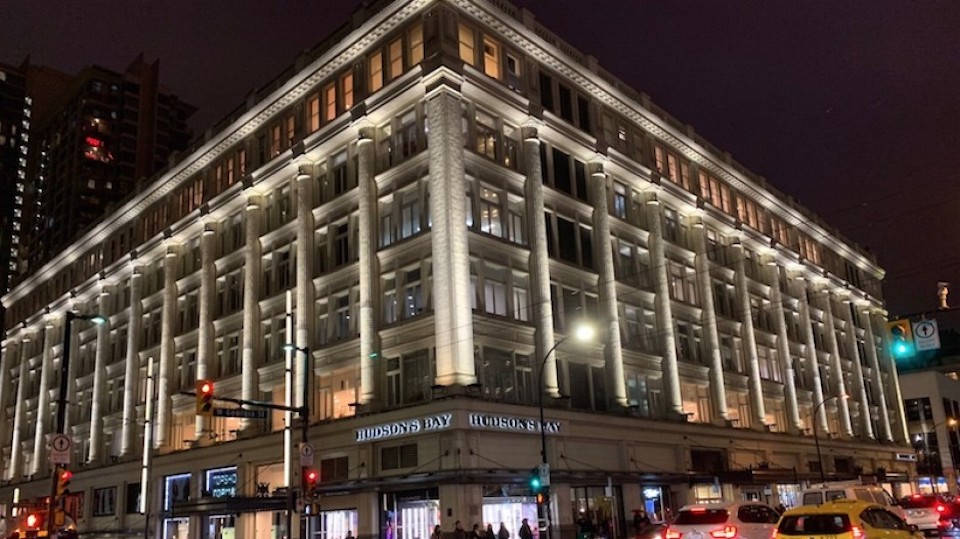
So for context I was born in 1981, and in my lifetime I have seen several department store chains close up. Woodwards close down in 1993, Kmart Canada in 1998, Eatons in 1999, and fully by 2002. Zellers shut down fully in 2013, Target came into Canada in 2013 and left 2 years later (more on that in a different post later). Sears closed in 2018, Nordstrom came into Canada in 2014 and closed fully in 2023, and now Hudsons bay. Closing all but 6 stores in Canada and liquidation sales have started.
But how did all of this happen? A lot of people say it is because of online shopping such as Amazon. But that is not all of it, as malls in Canada are still very popular and still even being built, such as the Royalmount in Montreal.
My opinion of what happened to department stores, and not just in Canada, but the US as well, is they didn’t adapt to the changing needs of the customers. One of the things I have suggested since I was young was that all these bigger locations should rent out space to a third party company or companies, that can allow for rent into the stores, a new customer base coming, plus it could mean places like Hudsons Bay or Sears could have cut down on some of the suppliers they used, because for instance a company like Sport Chek could have opened a small format store only selling shoes for example within the department store.
Now obviously things like that could only work in the larger formatted stores, such as the flagship Sears store that would have been at the Toronto Eaton Centre or Pacific Centre in Vancouver. Or the downtown Vancouver, Toronto, Ottawa or Montreal Hudsons Bay Stores. But with that being said even the smaller 2 story locations could have been renovated so that every location could be different. I would have even thought that maybe the stores could all lease the space to other companies, and they could renovate and incorporate the other businesses into one storefront. In fact they could have leased space to say 5 or 6 smaller formatted stores and then all the stock in the building comes from those companies and customers could purchase items from all of the businesses in one transaction. So all the Point of Sale systems could be linked to the companies that are leasing spaces and the department store could be making a commission on the sales.
This way it would essentially save a lot of money by having less suppliers, less distribution centers and just an overall more seamless experience.
I think making changes such as these would have prevented companies from going Bankrupt. Sure some of the stores may have needed to close anyways but taking some stores and leasing the space out for new products and additional revenue streams would have benefited overall. I would have even gone as far as what Target did and that is to have one main door from outside, where the cashiers would be located basically, and also to have a space at the front entryway that could be setup for a coffee shop. Target Canada had licensed Starbucks stores in the front of each location. The licensed locations were essentially a franchise operated by Target, but it still brought customers into the building. It was just what was on the inside of the Target that didn’t retain the customers.
Also by closing off some of the other entrances to the stores at the smaller locations, it could mean that there is either more space to lease out that could just be a separate business that has no access into the rest of the store, or it could be walled up from outside and then the space could have been reclaimed inside for retail.
With Hudsons bay shutting down all of the stores except 6, that means Canada loses Saks on 5th and the Saks off 5th discount stores. Keeping only the 6 Hudsons Bay stores may allow the company to possibly restructure themselves to either open other stores in the future or to at least keep these 6 stores and make the company profitable again. But clearly changes need to be made to keep them profitable.
As for the stores that are closing, well it will leave a lot of holes in different shopping malls in the country. As it is there are malls still sitting on empty spaces from when Sears closed. For example, the Oshawa Centre in Oshawa Ontario has an empty Sears building and will soon have an empty Hudsons Bay space. Meaning that the two anchor tenant spaces will both be empty. What I assume will happen is another mall renovation. When Zellers closed at that mall it was torn down and was supposed to be rebuilt to become a Target but Target closed before that could happen so, the mall was expanded with no third anchor. The food court moved to the expansion as well as several new stores. But now the two remaining anchors are or will be vacant within a few months. Meaning it is up to the other stores in the mall to bring customers in, which for that mall it does. But there are many other malls that are not as lucky and will need to do a lot of renovations or repurposing of the spaces to make sure that the malls will survive.
It will be interesting to see the changes that happen in Canadian retail after this.